

10 answers from licensed, verified mortgage brokers.
Brokers consistently advise getting a proper mortgage pre-approval before house hunting so you know a realistic budget, not just the maximum a lender will approve. They also stress checking your credit, planning for closing costs on top of the down payment, and looking into first-time buyer programs.
- Get a thorough pre-approval before you look at homes, so you know your realistic borrowing range.
- Budget for the full cost of buying, including closing costs, the monthly payment and ongoing expenses, not just the purchase price.
- Check your credit report early, keep paying bills on time, and avoid new loans or credit cards until closing.
- Look into first-time buyer programs such as the FHSA and RRSP Home Buyers' Plan, and speak with a licensed mortgage broker early.
Where they differ: Brokers differ on the size of closing costs, with estimates ranging from about 1.5% to 4% of the price, and some suggest a rate hold while shopping.
Want a broker who handles this? Get matched.
🎯 Get matched with a verified broker →Summarised by VA Insight, our AI, from the 10 answers on this page, written by independent, licence-verified mortgage brokers (not by VerifiedAdvisors.ca or any lender). General information only, not personal advice. Speak with a licensed broker about your situation.
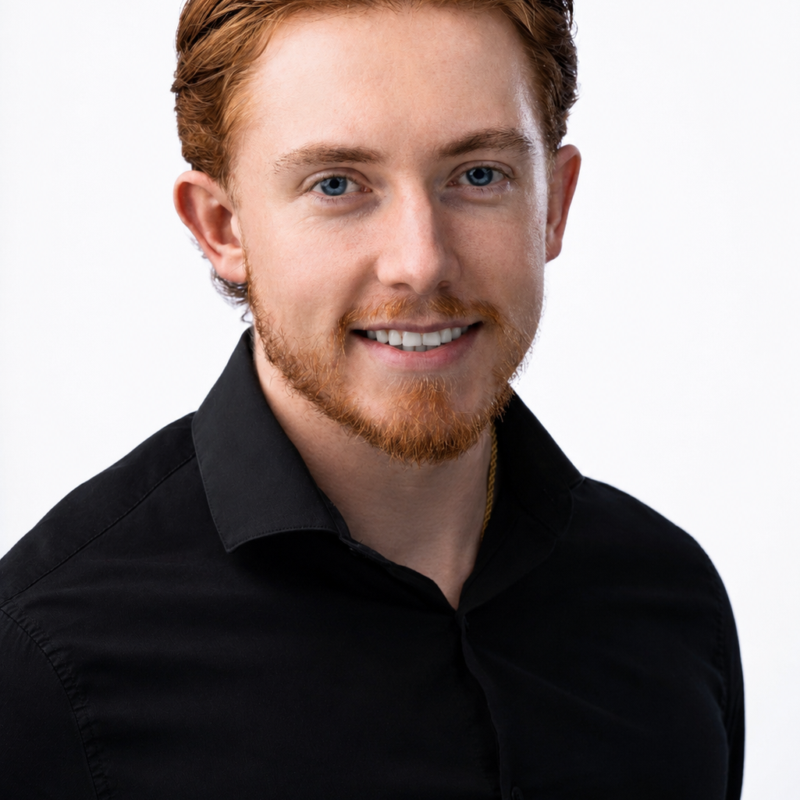
Tango Financial Mortgage (ON) Corporation · Kelowna, British Columbia
Start by speaking with a mortgage professional early, this is crucial. You'll want a preapproval so you know what you can afford and can shop confidently. I can also lock in a rate hold, which protects you if rates move while you're house hunting. As a first-time buyer, there are programs and accounts designed to help you, and working with a broker early means I can guide you through the whole process and help you avoid costly mistakes along the.
Answered November 2026

Mortgage Alliance Company of Canada Inc., The operating as Mortgage Alliance · Cheneville, Ontario
Start with a pre-approval, before you visit homes. It tells you what you can realistically borrow, and it brings up anything in your file that needs fixing, while there is still time to fix it.
Then look at your full budget, not just the price. Plan for the down payment, but also for closing costs: notary or lawyer, welcome tax (land transfer tax), inspection, moving. These often add up to a few percent of the price.
Check your credit report, keep paying everything on time, and avoid new loans or credit cards until you close.
Ask about the programs for first-time buyers, such as the FHSA and the RRSP Home Buyers’ Plan. Used well, they can make a real difference
Answered November 2026

Speak with a licensed Broker
Answered November 2026
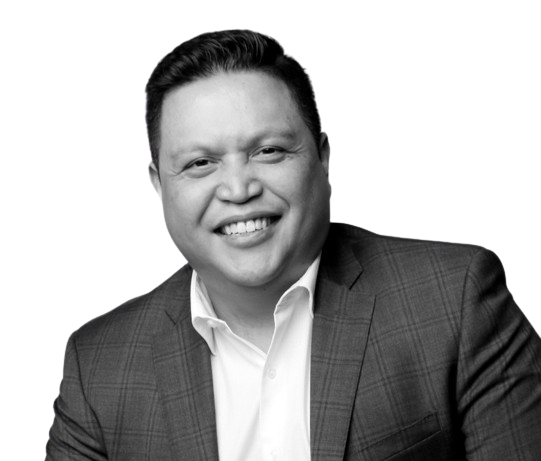
MA Mortgage Architects Inc. operating as Mortgage Architects · Mississauga, Ontario
Before browsing listings, clarify your monthly budget and get a thorough mortgage pre-approval rather than a quick online estimate. Check your credit report early, organize income and down payment records such as FHSA or RRSP statements, and budget extra funds for closing costs including legal fees and land transfer taxes. Working with a licensed mortgage broker helps you compare multiple lenders upfront, understand first-time buyer incentives, and lock in a hold while shopping.
Answered November 2026

The HomeHappy Team @ Canadian Mortgage Experts Inc. · West Kelowna, British Columbia
Start with your budget, not the bank’s approval. A lender will tell you the most you can borrow. What matters is the payment you can comfortably carry once property taxes, strata fees and everyday life are added in. Then get properly pre-qualified: a broker should review your income, credit and down payment before you write an offer, not just run a calculator. Check your credit report early so there are no surprises. Know where your down payment is coming from, whether an FHSA, RRSP or savings, because timing affects how you can use it. Ask whether you’re eligible for BC’s first-time buyer property transfer tax exemption, and set aside at least 1.5% of the price for closing costs. Then keep your finances quiet until closing: no new car loans or credit cards.
Answered November 2026
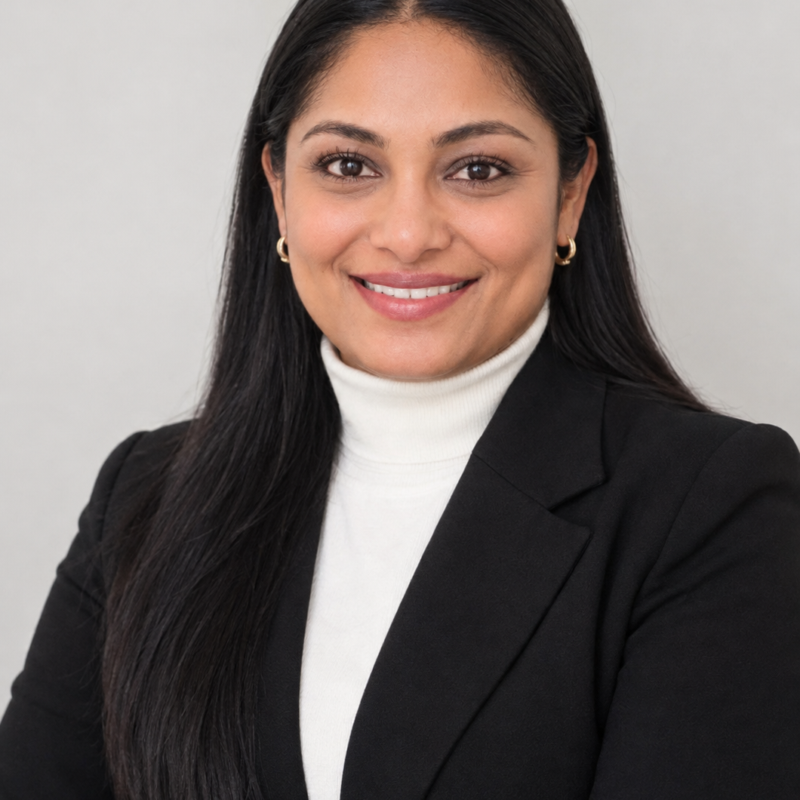
Before You Start Looking: Your First-Home Checklist
Check your finances. Review your credit report, pay down debt, and avoid new borrowing.
Use first-time buyer programs. The FHSA, RRSP Home Buyers’ Plan, and Ontario’s land transfer tax rebate can all help. Confirm current limits on official government sites.
Budget for closing costs. Plan for roughly 1.5–4% of the price.
Get pre-approved. Then hire a realtor and lawyer.
Answered October 2026

Ultimate Mortgage and Finance Solutions Inc. operating as Ultimate Mortgage Group · Toronto, Ontario
Definitely, getting pre-approved so that you know exactly what your budget would be and not waste time looking at properties what wouldn't be suitable to you. With a pre-approval, you will also lock-in your mortgage rates, should the rates increase during your purchasing process, you will be protected.
Answered October 2026

Centum Financial Services Limited Partnership · Vaughan, Ontario
Before you start house hunting, it’s important to understand what you can comfortably afford. I recommend reviewing your income, credit, existing debts, down payment and closing costs, then getting a mortgage pre-approval. This gives you a clearer budget and helps you shop with confidence. I can help you understand the numbers, explain your mortgage options and prepare you for the financing process before you find the right home.
Answered October 2026
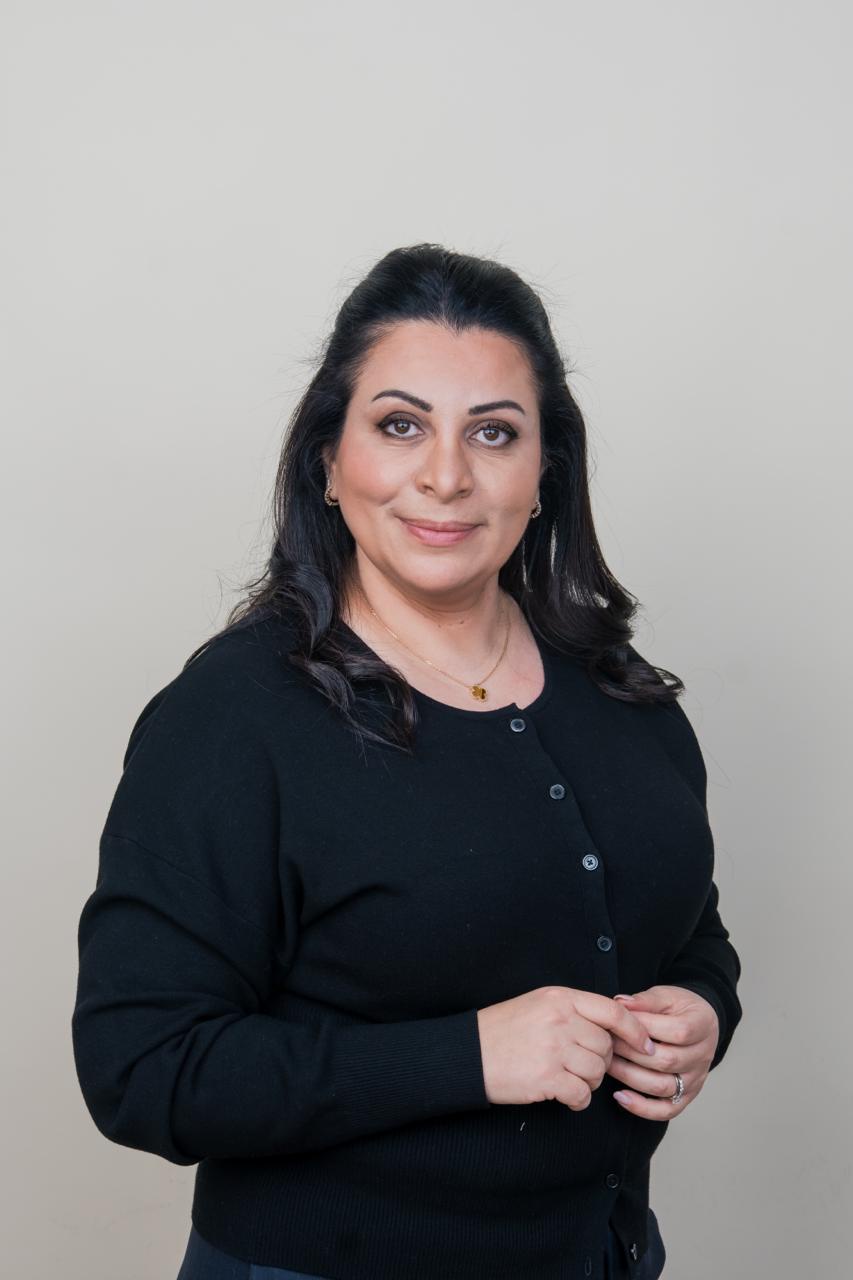
Before you start looking: check your credit, map your full budget (not just the price — closing costs, moving, emergency fund), and get a pre-approval so you know your real range. Talk to a mortgage broker early — we can spot issues while there's still time to fix them and make sure your offer is solid.
Answered October 2026
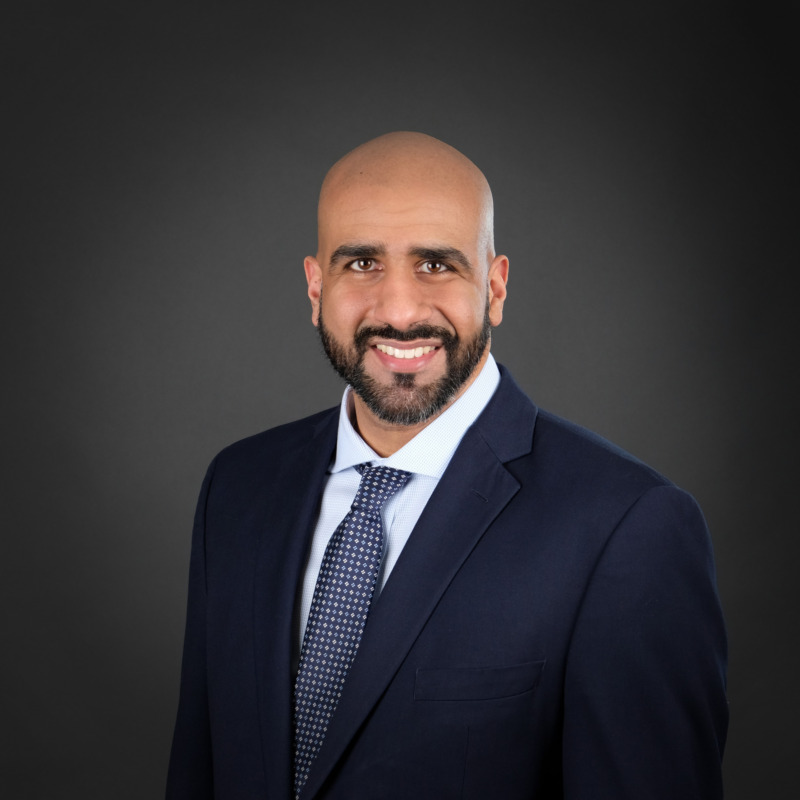
Before you start looking, get pre-approved so you know what you can comfortably afford. Review your down payment, closing costs, monthly payment, and other homeownership expenses. It’s also a good time to review your credit and gather your income and financial documents. Most importantly, understand your budget, not just the maximum a lender will approve. Being prepared financially allows you to shop confidently and act quickly when you find the right home.
Answered October 2026
✓ Answers reviewed by VerifiedAdvisors.ca. General information only, not personal financial advice. Speak with a licensed broker about your situation.
More first-time buyers questions answered by verified brokers →